Layer Resident oak building in pagrati
Studio | Proios Office
Location | Pagkrati, Athens
Project | Layer Resident oak building in pagrati
Year | 2020-2024
Size | 620m²
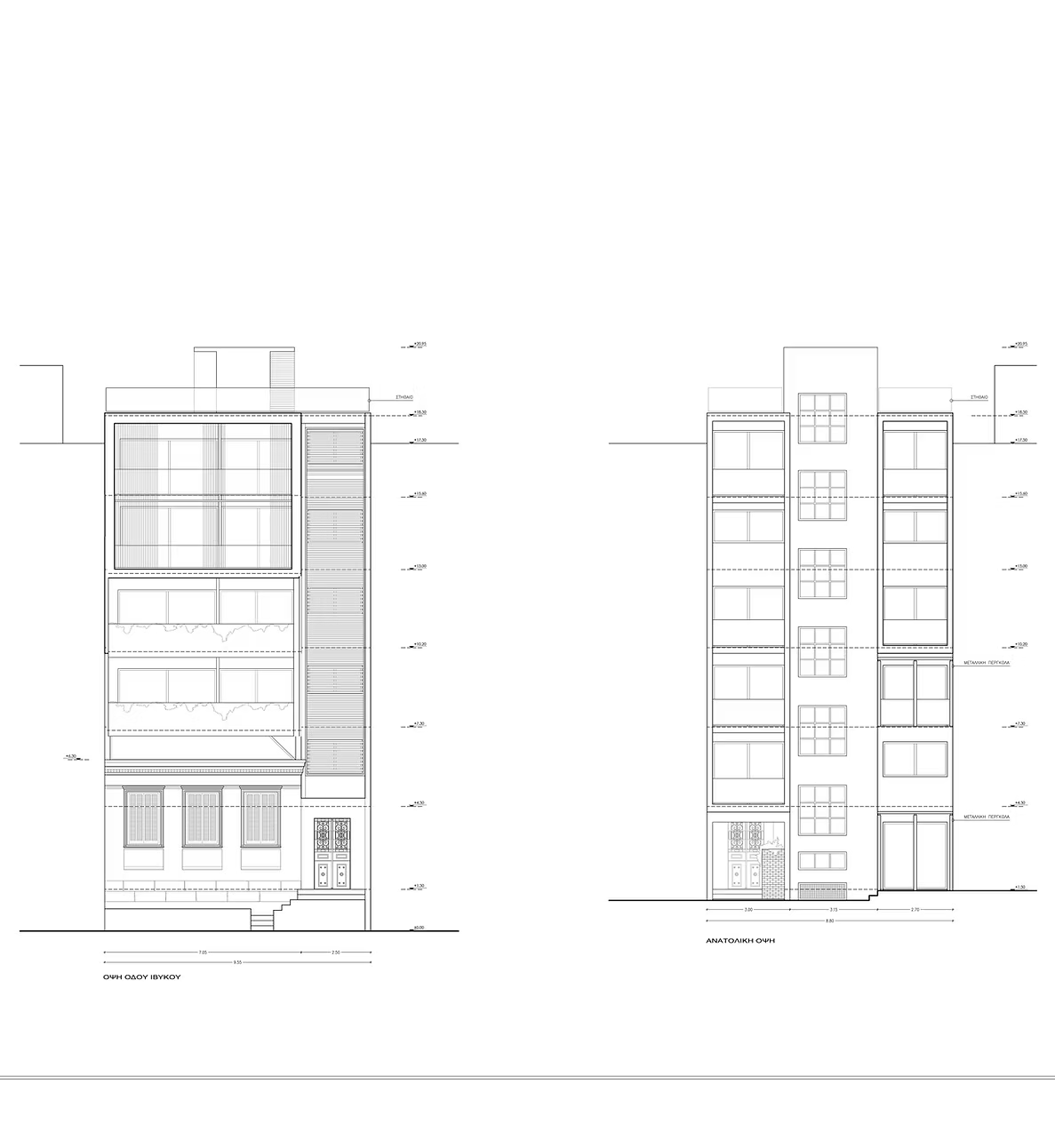
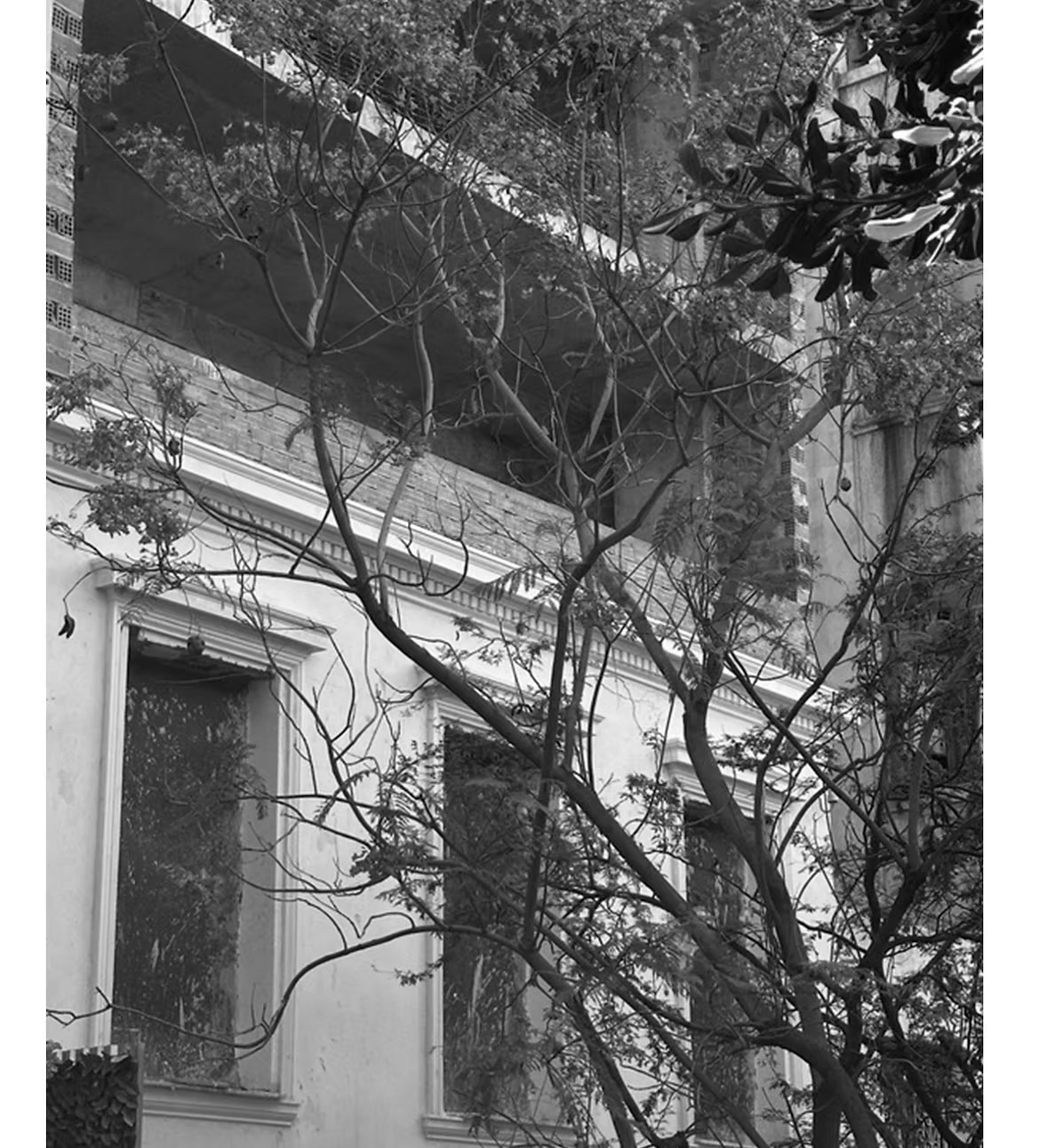
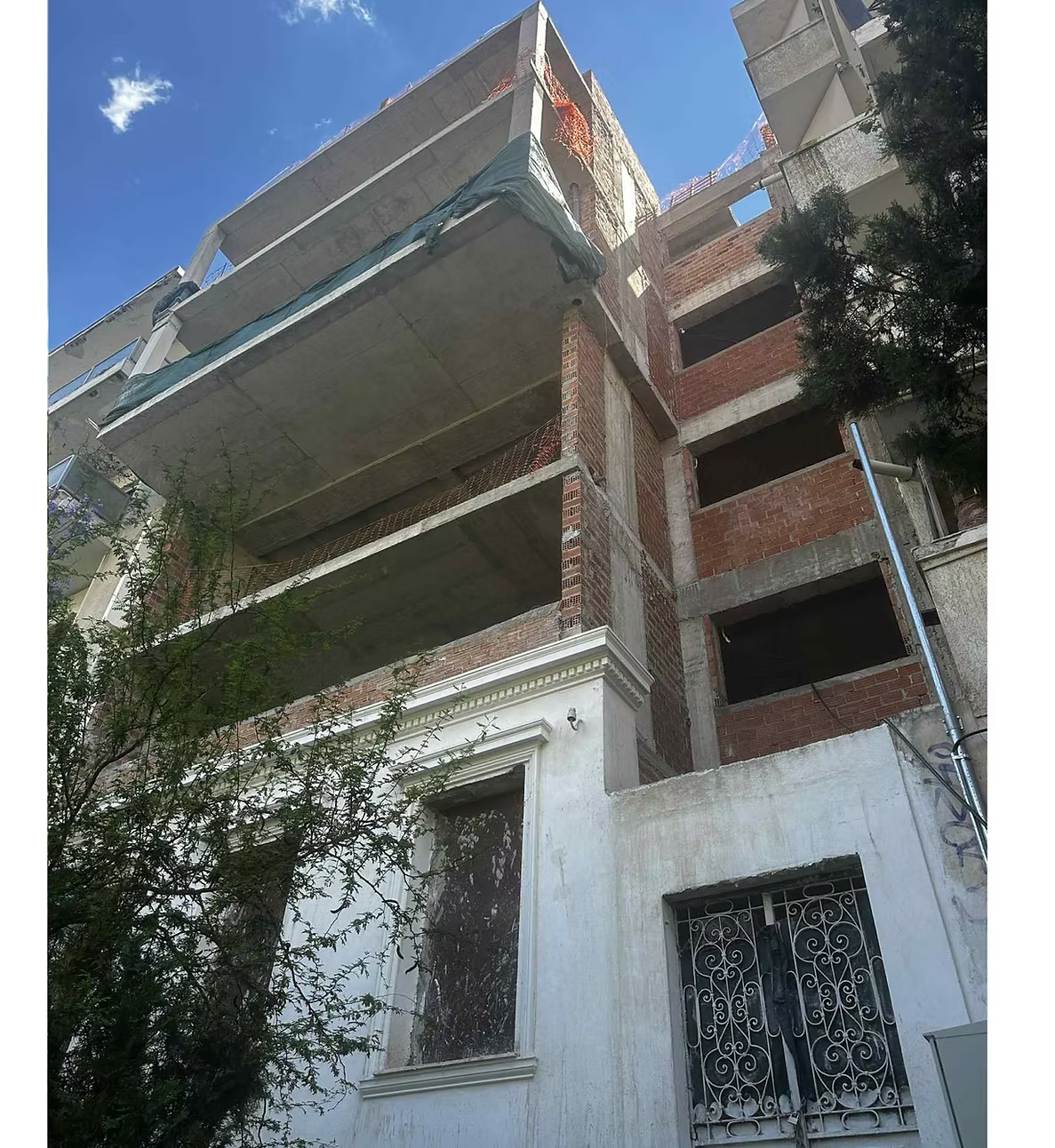
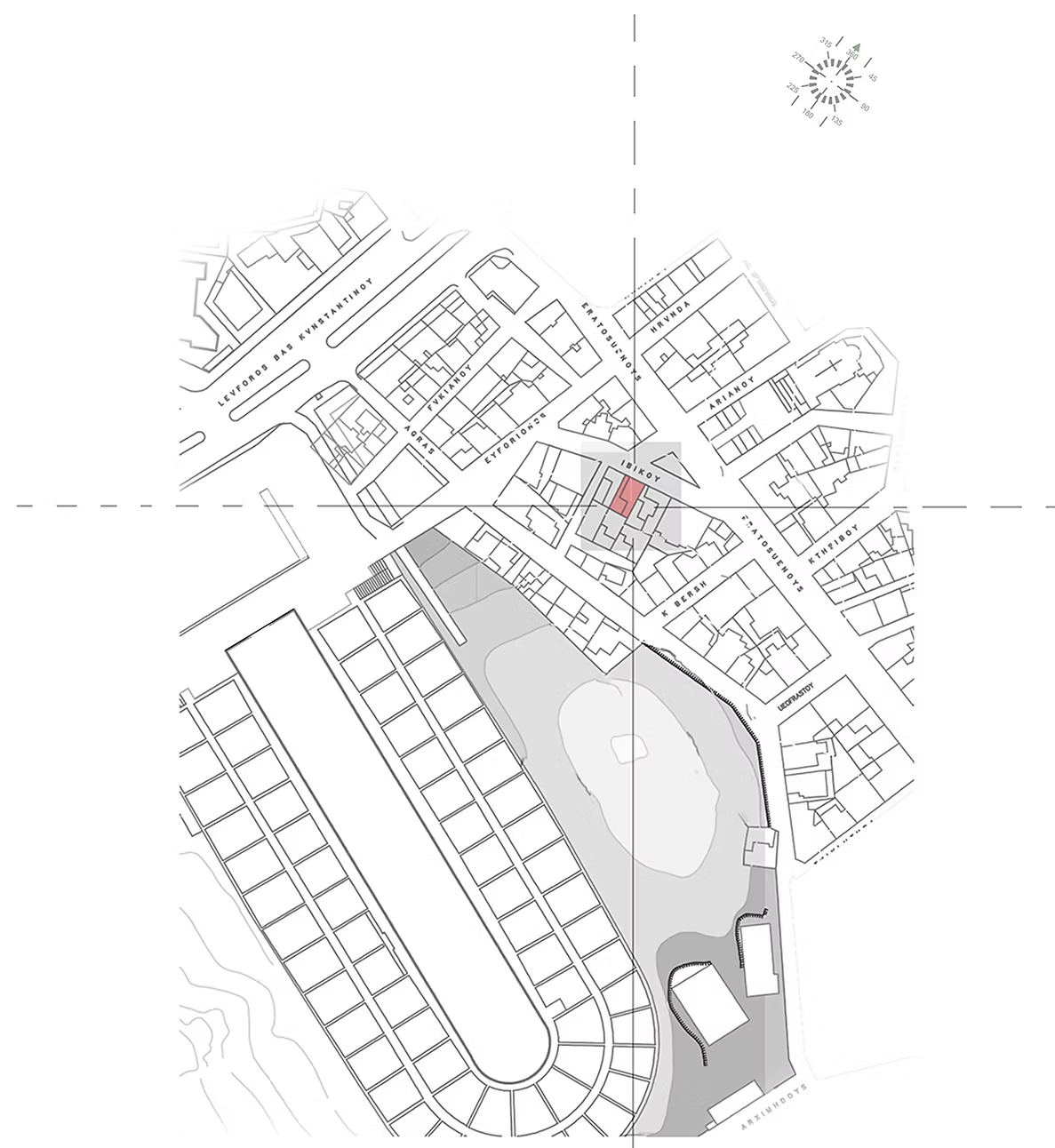
The project is located in Pagrati, on elevated ground near the Panathenaic Stadium, facing the pedestrian street of Ivikou. Its position within a dense urban block and along a public front dictated key aspects of the architectural approach. The design process began with the precise documentation of the existing neoclassical ground-floor building, which is officially listed as preserved. The façade, with its distinct historical features, served as the primary reference for the new composition. The proposed four-storey addition is set back from the preserved façade to ensure its visibility and prominence along the pedestrian street. The new structure is organized using an orthogonal design grid, applied both in plan and elevation, allowing for a clear and restrained integration of the new volume within the existing context—without compromising the presence of the historic building along the public realm.
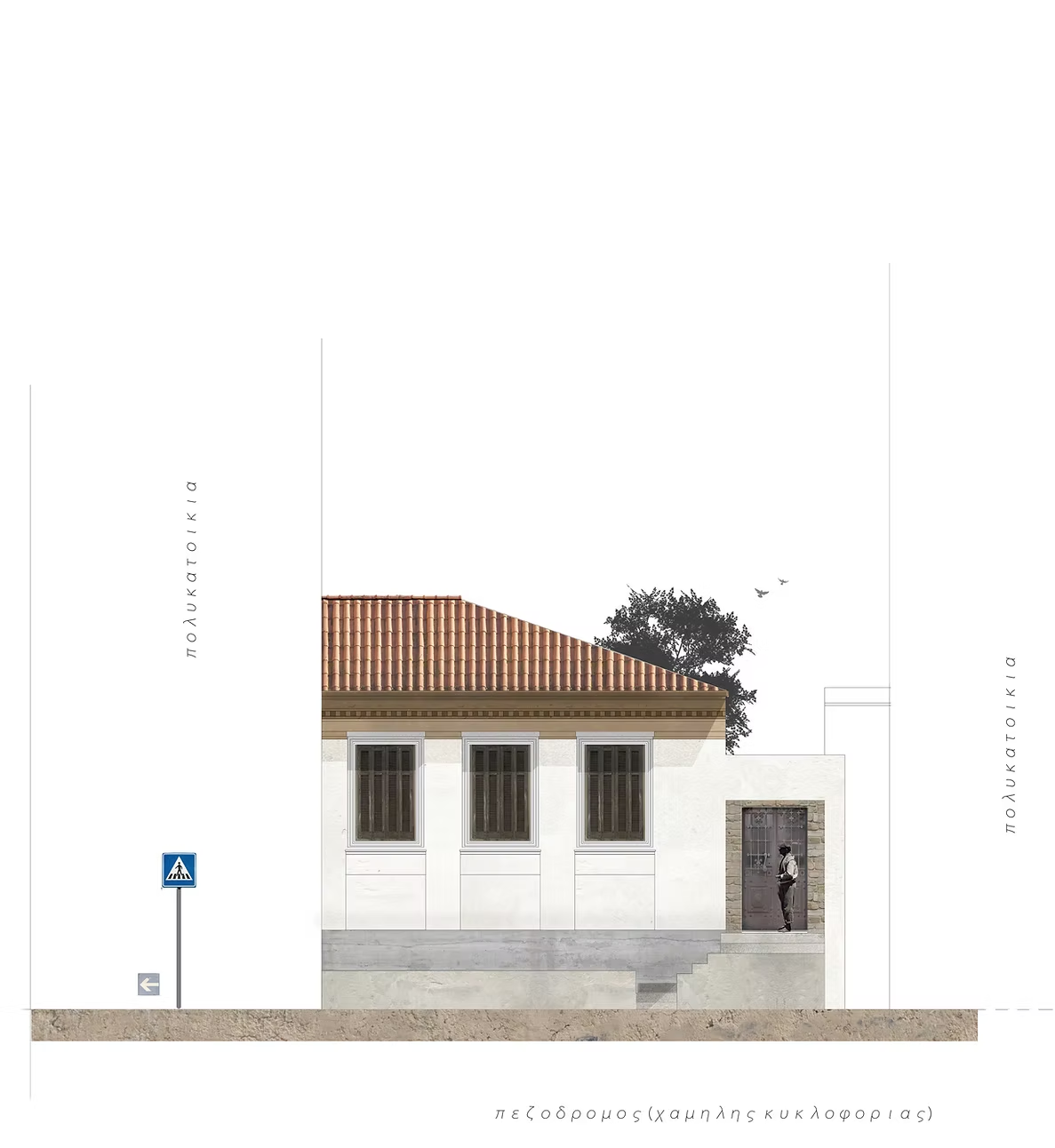
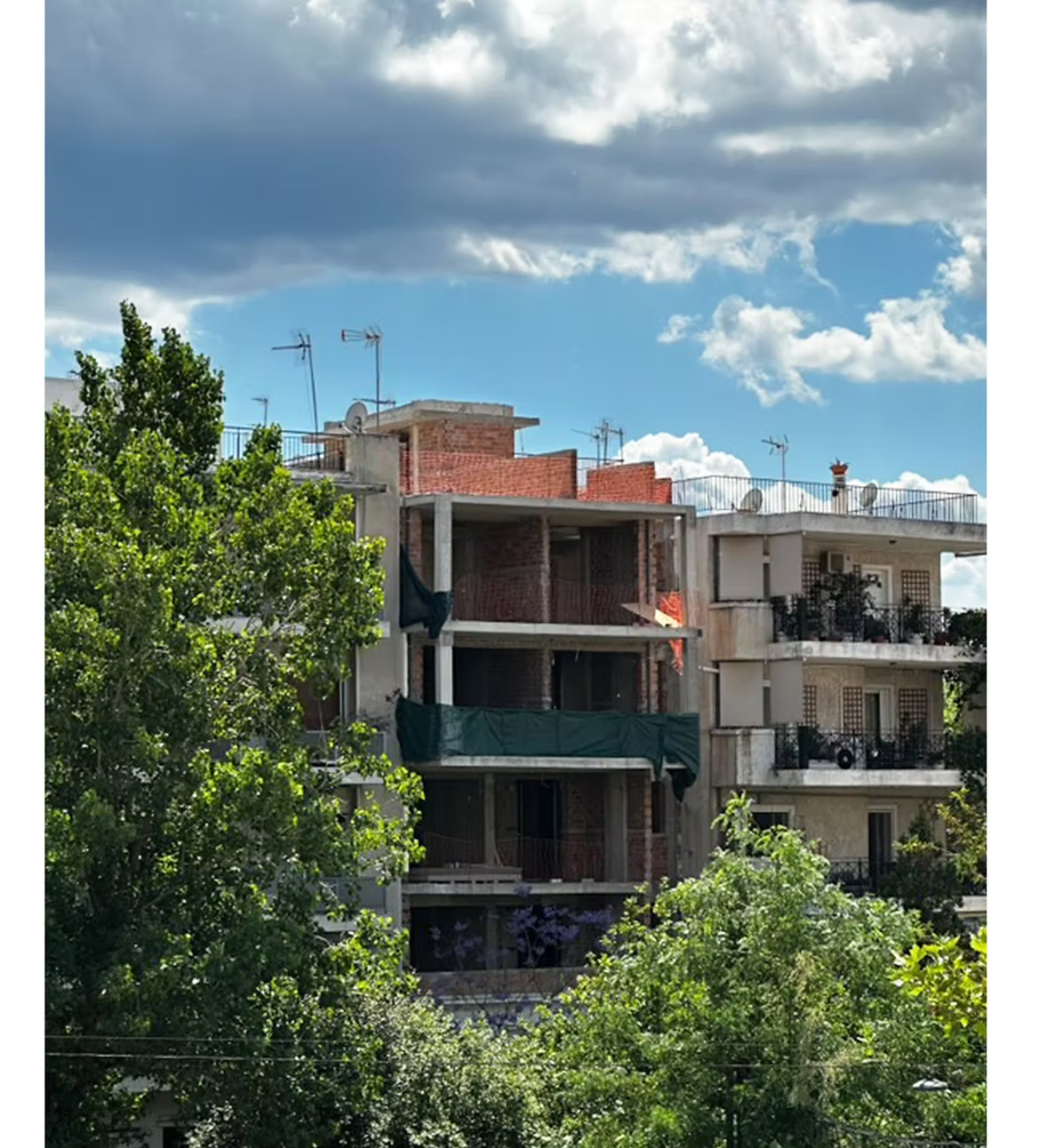
The project involves the addition of a four-storey residential structure above a preserved neoclassical ground-floor building in Pagrati. The original structure is a single-storey residence dating from the 1910s, which will be retained and restored. The ground floor is intended to function as an office space. The new construction will comprise four fully independent floor-through apartments, designed for short-term rental. The architectural approach focuses on clean lines, efficient layouts, and optimal orientation with views toward the Acropolis. Particular attention is given to the integration of the new volume with the existing structure, both aesthetically and structurally. The project is being designed and will be realized by architect-engineer Takis Proios, founder of the architecture office Proios Office. The project is located in Pagrati, on elevated ground near the Panathenaic Stadium, facing the pedestrian street of Ivikou. Its position within a dense urban block and along a public front dictated key aspects of the architectural approach. The design process began with the precise documentation of the existing neoclassical ground-floor building, which is officially listed as preserved. The façade, with its distinct historical features, served as the primary reference for the new composition.